

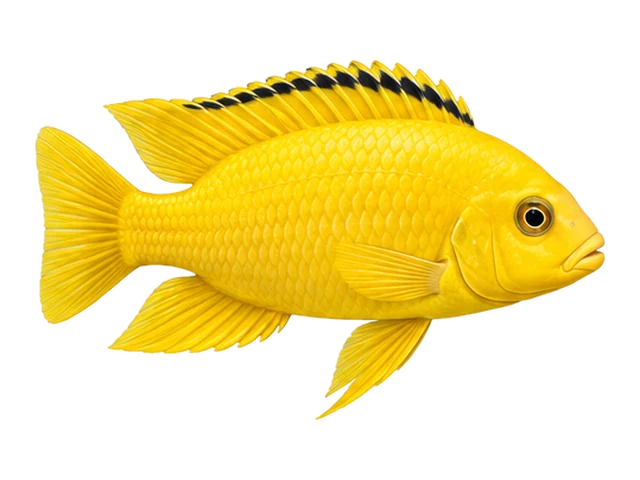
Breeding the hongi cichlid
Maternal mouthbrooder without pair bonds; the male leads a female to a crevice or cave and she holds the eggs for about 18-28 days.
Step by step
Keep one male with 3-5 females; a lone female is harassed to exhaustion and two males will fight.
150-250 L rockwork tank with many caves, hard alkaline water (pH 7.8-8.6) and strong filtration. Keep a bare 60 L tank handy to move a holding female.
Stable warm water (26-28 C), regular water changes and a good male-to-female ratio; the male displays and leads a female to a flat rock or cave.
The female holds the eggs for about 18-28 days. No sourced egg count found.
The female releases free-swimming fry after 3-4 weeks. Feed finely crushed flake, spirulina powder and newly hatched brine shrimp from day one; do small daily water changes. Remove the female after release so she can recover.
- Too few females so the male harasses them
- Mixing similar-looking mbuna that hybridise
- Soft or acidic water
Male or female
Dominant males are brighter, with egg spots on the anal fin and partial egg spots on the dorsal, and are about an inch larger. Females and subordinate males are drab brownish purple to pale lilac.
Can I breed it in my tank?
- Good for a first breeding project.
Day-by-day plan
Typical for mouthbrooders
- 21 days beforeGroup and condition
Usually one male with several females. Feed high-quality food.
- Day 0Spawning
The female takes the eggs into her mouth and stops eating.
- Day 21Release
After about 3 weeks the female releases fully formed fry. Many breeders move her to a quiet tank first.
- Day 21First food
Fry eat crushed flake and baby brine shrimp straight away.
- Day 90Grow-out
Fry are a few centimetres long after about 3 months.
A general guide for this breeding type. Days change with temperature and species.
Simulator: guided
Usually one male with several females. Feed high-quality food.
Simulator: try it yourself
Set up a virtual breeding tank and see what would likely happen.
- Without live or frozen food the parents aren't in breeding condition.
An educational estimate from the breeding rules, not a promise.