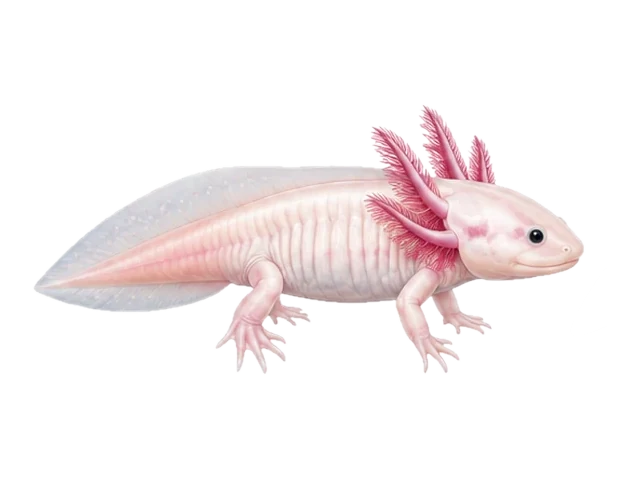
Axolotl water stress
Also called axolotl gills, curled gills
Signs
- Loss of appetite
- Gill deterioration (gills shrinking or damaged)
- Floating uncontrollably (in too-warm water)
- In more severe illness: skin sores, swelling (oedema/ascites)
Cause
Water too warm (keep at 15-18 °C; never above about 22 °C; above 24 °C illness is likely), strong water flow, ammonia or nitrite above 0 ppm, chlorine or chloramine, and stress from light or movement. Stressed axolotls are prone to opportunistic bacterial infections (Pseudomonas, Aeromonas).
What to do
Test the water (ammonia and nitrite should be 0 ppm), bring the temperature into the 15-18 °C range, slow the flow (spray bar or decor in front of the outlet), remove chlorine/chloramine and do water changes. See an amphibian vet if the animal stays off food or shows sores or swelling; bacterial infections need vet-prescribed antibiotics.
If a fish is badly ill, talk to an aquatic vet.
Prevention
Cool (15-18 °C), slow-moving, cycled water with 0 ammonia and nitrite and nitrate under 10 ppm; weekly water changes; out of direct sun; bare bottom, fine sand or rocks larger than the head (gravel gets swallowed and can cause a fatal blockage); keep axolotls without fish; quarantine new animals.
Sources
4 facts checked with sources
- CausecorrectedAmbystoma Genetic Stock Center (Univ. of Kentucky): Short guide to Axolotl Husbandry (S. T. Duhon) · LafeberVet: Care of the Axolotl (client handout, 2021)
- SignscorrectedAmbystoma Genetic Stock Center (Univ. of Kentucky): Short guide to Axolotl Husbandry (S. T. Duhon) · LafeberVet: Care of the Axolotl (client handout, 2021)
- What to doLafeberVet: Care of the Axolotl (client handout, 2021) · Ambystoma Genetic Stock Center (Univ. of Kentucky): Short guide to Axolotl Husbandry (S. T. Duhon)
- PreventionLafeberVet: Care of the Axolotl (client handout, 2021) · Ambystoma Genetic Stock Center (Univ. of Kentucky): Short guide to Axolotl Husbandry (S. T. Duhon)
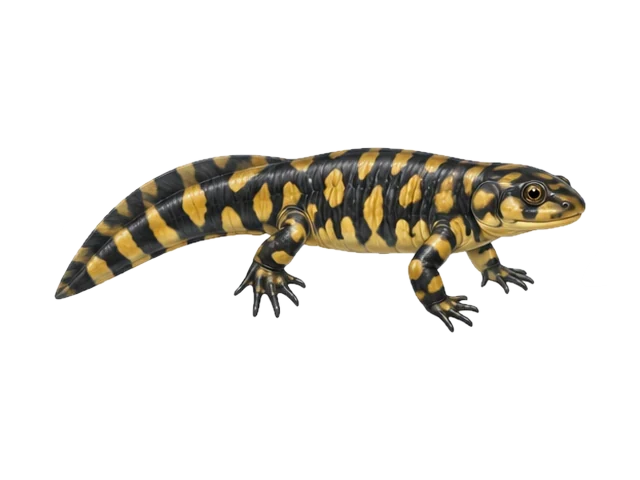
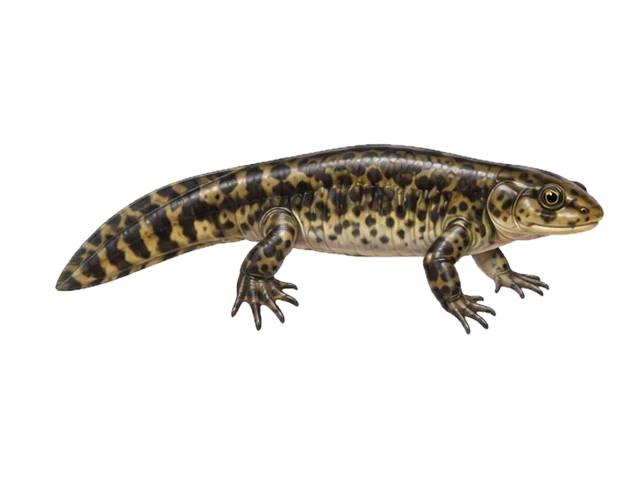
Species often affected
3 species