

TankMatesTankMates
  • Explore
  • Encyclopedia
  • Identifier
  • Tank Planner
  • Tank Mates
  • Games
  • World Map
Sign in
ExploreSpeciesIdentifierPlanner
TankMatesTankMatesFind fish that get along. Plan your tank. See real local prices.© 2026 TankMates · hello@tankmates.io
EncyclopediaFish identifierTank MatesCompareAsk FinnTank PlannerTank templatesPlantsCare libraryBreedingPond FishGamesWorld MapDesign StudioCommunityShops & servicesMy profileNotificationsPremiumPrivacyTermsPicture credits
Breeding / Frogs, newts and turtles
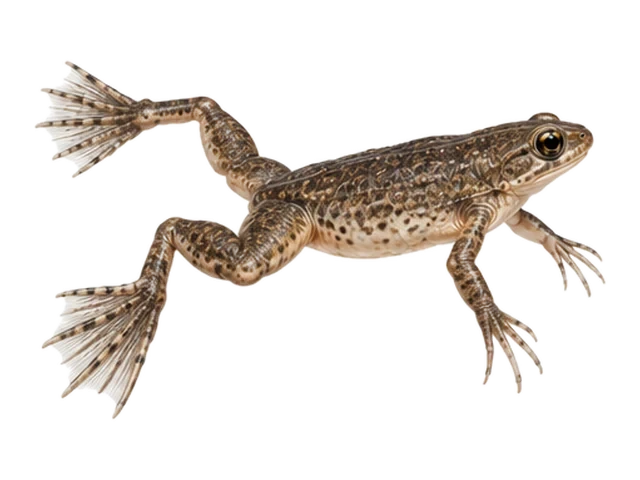
African dwarf frog
Frogs, newts and turtles · Easy

Breeding the african dwarf frog

Males call (a soft croak/hum) underwater, usually at night, before mating; pairs mate in amplexus lasting hours.

Full species page

Step by step

Pairing

Buy 4-6 frogs. Males hum and have a gland behind each arm.

Breeding tank

A 40 L tank with floating plants and a low water level. 24-28 C.

What starts it

A 2-3 cm water change with cooler water and rain-like drips.

Eggs and young

Spawns of about 25-100 eggs, buoyant when laid and soon sticky; tadpoles hatch in about 3-4 days.

Raising the fry

Fry eat infusoria, then baby brine shrimp. Remove adults.

Common mistakes
  • Leaving eggs with adults
  • Cold water
  • Not feeding fry fine foods
Setup blueprint

Home setup

One breeding tank for the african dwarf frog, drawn to scale from the breeding guide.

50 cm long · 25 cm deep30 cm1234
  1. 1
    Breeding tank: 40 L · about 50 × 25 × 30 cm, 40 L from the breeding guide
  2. 2
    Sponge filter and air pump · gentle and safe for eggs and fry
  3. 3
    Heater, 24–28 °C · temperature from the breeding guide
  4. 4
    Floating plants · named in the guide

Water: 24–28 °C · pH 6.6–7.4

A plan from the breeding guide and an adult size of 3.5 cm. Tank shape is a standard 2 : 1 : 1.2 box, at least 6 adult lengths long. Check each step in the guide above.

Setup blueprint

Business setup

A 120 cm rack for breeding the african dwarf frog in numbers.

12234120 cm rack, 3 shelves
  1. 1
    2 breeding tanks, 40 L each · about 50 × 25 × 30 cm, set up like the home tank
  2. 2
    2 grow-out tanks, 80 L each · about 65 × 30 × 40 cm; twice the breeding tank, never smaller than this species' smallest tank
  3. 3
    Shared air pump and air line · one line along each shelf feeds a sponge filter in every tank
  4. 4
    Heat the room or each tank · 24–28 °C

In total: 4 tanks, about 240 L of water. A litre of water weighs about 1 kg, so check that the floor and rack can take the weight.

Sizes are worked out from the breeding tank in the guide. Tanks fit a standard 120 cm rack when they can; bigger tanks go on their own stands.

Male or female

Males have a small gland behind each front leg (post-axillary gland); females are larger with an oval body.

Can I breed it in my tank?

  • Good for a first breeding project.

Day-by-day plan

Typical for frogs, newts and turtles

  1. Day 0Eggs

    Needs a special setup. Read the species guide first.

A general guide for this breeding type. Days change with temperature and species.

Simulator: guided

Stage 1 of 1Eggs

Needs a special setup. Read the species guide first.

Simulator: try it yourself

Set up a virtual breeding tank and see what would likely happen.

No spawning
  • Without live or frozen food the parents aren't in breeding condition.

An educational estimate from the breeding rules, not a promise.