

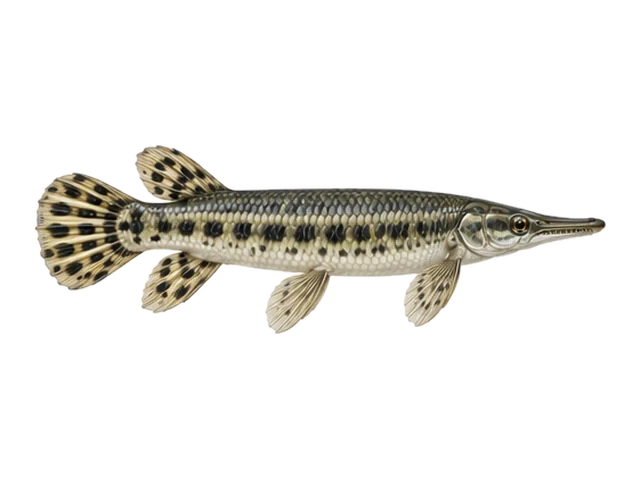
Not bred in home aquaria. In the wild, groups gather in shallow weedy water; females scatter adhesive eggs among plants and two or more males fertilise them, with no nest and no parental care. Spawning is late winter to spring, mostly February-May, sometimes into October.
Pairs cannot be identified reliably, and adults spawn only in huge ponds or rivers.
Needs a very large tank or pond, which is out of reach for most hobbyists.
Not reliably triggered in captivity.
Relatively large, greenish, adhesive eggs scattered in shallow weedy water and fertilised by two or more males; hatchlings stick to plants with a snout disc until about 2 cm (3/4 inch). The roe is highly toxic to humans and animals. No egg count found.
No hobby-scale fry-rearing method is established.
Females grow larger than males; other than size there is no easy way to tell the sexes apart.