TankMatesTankMates
  • Explore
  • Encyclopedia
  • Identifier
  • Tank Planner
  • Tank Mates
  • Games
  • World Map
Sign in
ExploreSpeciesIdentifierPlanner
TankMatesTankMatesFind fish that get along. Plan your tank. See real local prices.© 2026 TankMates · hello@tankmates.io
EncyclopediaFish identifierTank MatesCompareAsk FinnTank PlannerTank templatesPlantsCare libraryBreedingPond FishGamesWorld MapDesign StudioCommunityShops & servicesMy profileNotificationsPremiumPrivacyTermsPicture credits
Care library / Health
Health guide, not a diagnosis · Serious if left

Soft shell & metabolic bone disease

Also called metabolic bone disease (MBD), secondary nutritional hyperparathyroidism (veterinary name), soft shell (hobby name)

Can spread to people. Human-health risk: turtles of any size can carry Salmonella in their droppings even when they look healthy and clean; the germs spread to their bodies, tank water and anything around them, and a vet cannot stop a turtle from shedding them. Wash hands with soap and water right after touching or feeding the turtle or cleaning its tank; don't kiss or snuggle it, don't eat or drink around it, keep it and its equipment out of the kitchen. CDC does not recommend turtles for households with children under 5, adults 65 and older, or people with weakened immune systems. Sale of turtles with shells under 4 inches (about 10 cm) has been banned in the USA since 1975.

Facts checked against sources on 16 Oct 2026. See sources

Signs

  • Misshapen or deformed shell
  • Deformed legs, weakness, unable to walk normally
  • Slow growth
  • Swollen or distorted jaw; fractures
  • Poor appetite, lethargy, muscle twitching

Cause

Calcium-phosphorus imbalance: a diet too low in calcium relative to phosphorus and lacking vitamin D3, and/or too little UVB light (needed to make vitamin D3 for calcium absorption) and inadequate heating. Mostly affects fast-growing young turtles.

What to do

See a reptile vet (X-rays and blood tests confirm it; severe cases need fluids, nutritional support and calcium injections). Correcting the diet and husbandry, including proper UVB, is the main treatment; prognosis is good if the turtle is still eating. Some vets suggest a calcium block or cuttlebone about twice a week.

If a fish is badly ill, talk to an aquatic vet.

Prevention

A UVB lamp (290-320 nm) over the basking spot, about 30-45 cm from the turtle, with no glass or plastic in between; replace it every 6 months or as the manufacturer directs, because UV output falls with age. Unfiltered outdoor sunlight when weather allows. A balanced diet with a calcium source.

Sources

7 facts checked with sources

  • Other namesVCA Animal Hospitals: Common Diseases of Aquatic Turtles (Rich, Hess, Axelson DVM) · Merck Veterinary Manual (professional): Nutritional, Metabolic, and Endocrine Diseases of Reptiles (Divers & Comolli, rev. Jul 2025)
  • CausecorrectedMerck Veterinary Manual (professional): Nutritional, Metabolic, and Endocrine Diseases of Reptiles (Divers & Comolli, rev. Jul 2025) · VCA Canada Animal Hospitals: Housing Aquatic Turtles
  • SignscorrectedVCA Animal Hospitals: Common Diseases of Aquatic Turtles (Rich, Hess, Axelson DVM) · Merck Veterinary Manual (professional): Nutritional, Metabolic, and Endocrine Diseases of Reptiles (Divers & Comolli, rev. Jul 2025)
  • What to doMerck Veterinary Manual (pet owner): Disorders and Diseases of Reptiles · Merck Veterinary Manual (professional): Nutritional, Metabolic, and Endocrine Diseases of Reptiles (Divers & Comolli, rev. Jul 2025) · VCA Animal Hospitals: Feeding Aquatic Turtles
  • PreventioncorrectedVCA Canada Animal Hospitals: Housing Aquatic Turtles
  • How seriousVCA Canada Animal Hospitals: Housing Aquatic Turtles
  • Risk to peoplecorrectedCDC: Salmonella Outbreak Linked to Small Turtles - August 2024 · CDC Healthy Pets: Reptiles and Amphibians

Species often affected

34 species

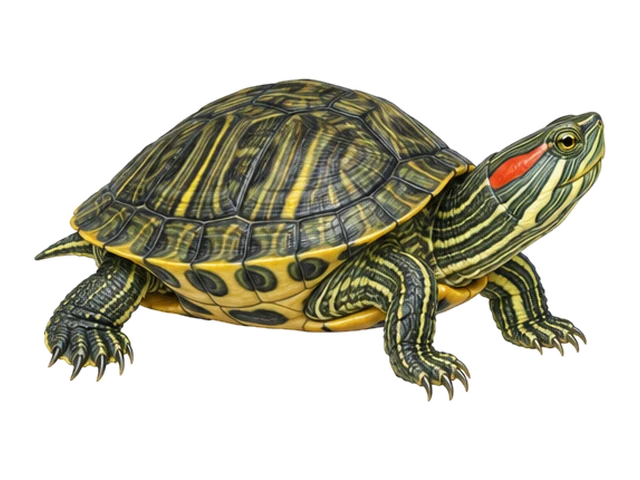
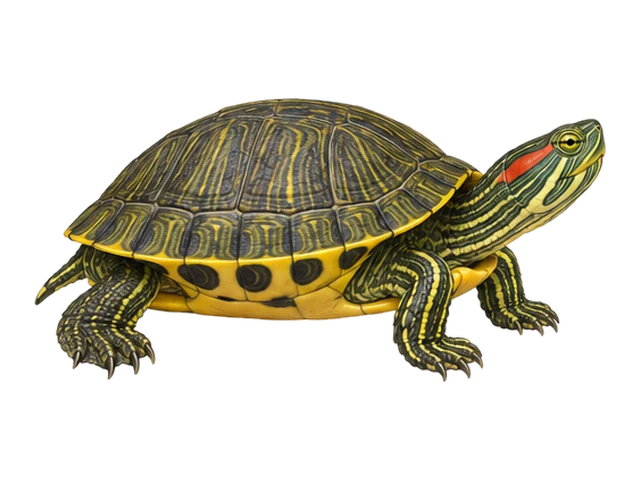
Red-eared sliderTrachemys scripta elegans
Moderate28 cm
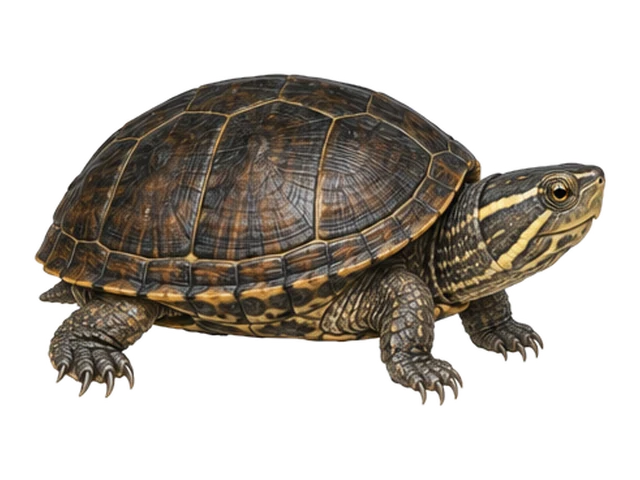
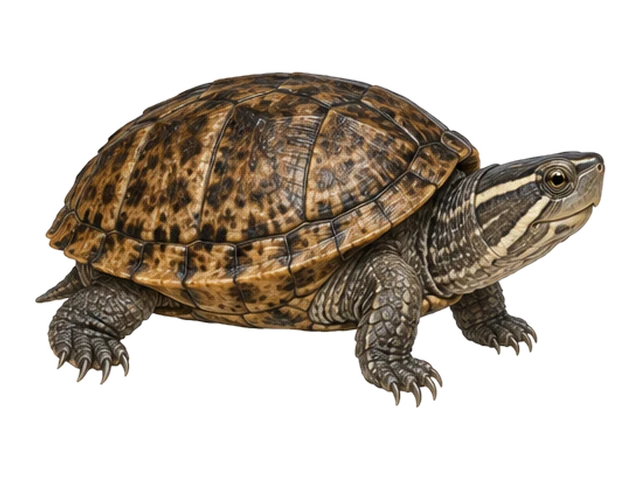
Common musk turtleSternotherus odoratus
Easy12 cm
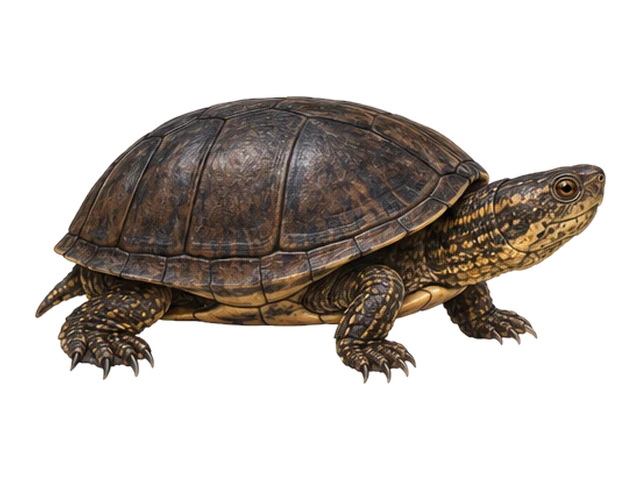
Eastern mud turtleKinosternon subrubrum
Easy11 cm
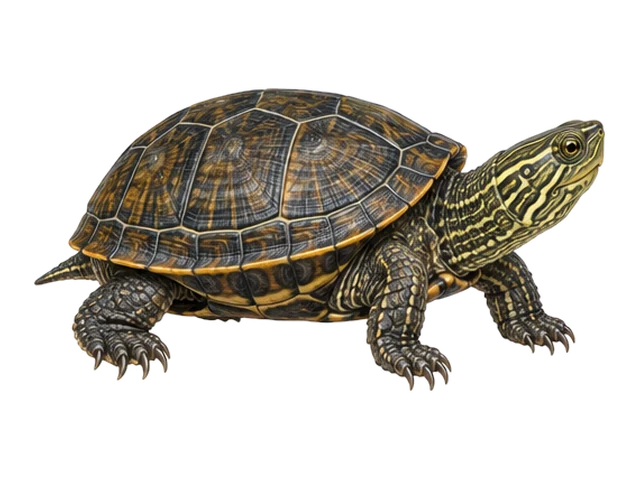
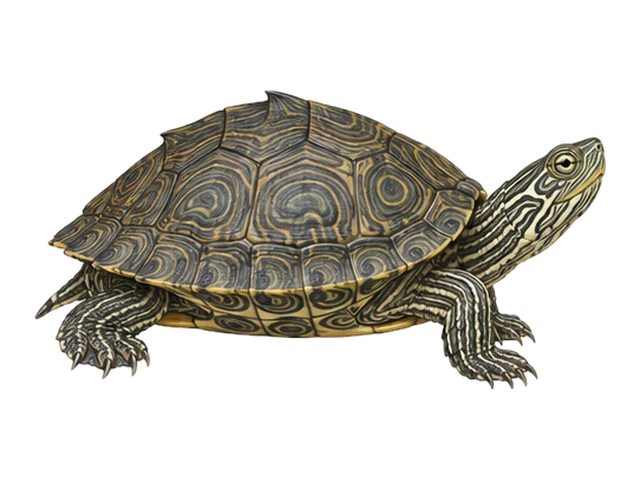
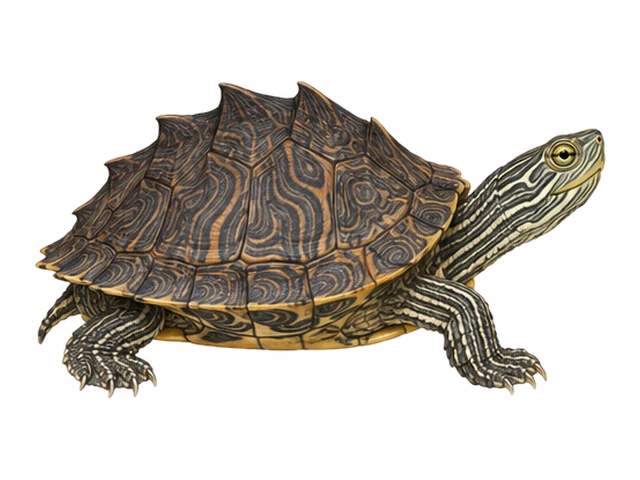
False map turtleGraptemys pseudogeographica
Moderate25 cm
Painted turtleChrysemys picta
Moderate18 cm
Reeves' turtleMauremys reevesii
Easy30 cm
Mata mata turtleChelus fimbriata
Hard45 cm
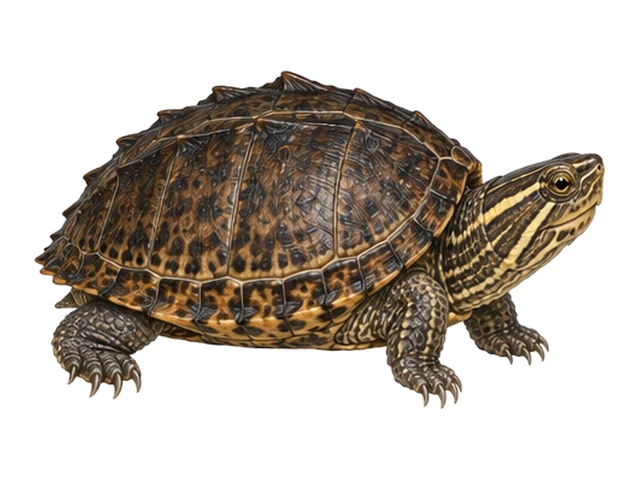
Loggerhead musk turtleSternotherus minor
Moderate14 cm
Razor-backed musk turtleSternotherus carinatus
Moderate15 cm
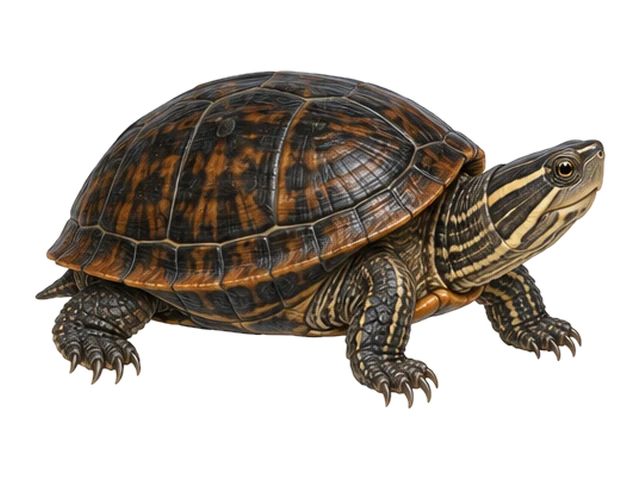
Striped mud turtleKinosternon baurii
Moderate12 cm
Scorpion mud turtleKinosternon scorpioides
Moderate25 cm
Mississippi map turtleGraptemys pseudogeographica kohnii
Moderate25 cm
Ouachita map turtleGraptemys ouachitensis
Moderate24 cm
Picture coming
Northern map turtleGraptemys geographica
Hard27 cm
River cooterPseudemys concinna
Moderate35 cm
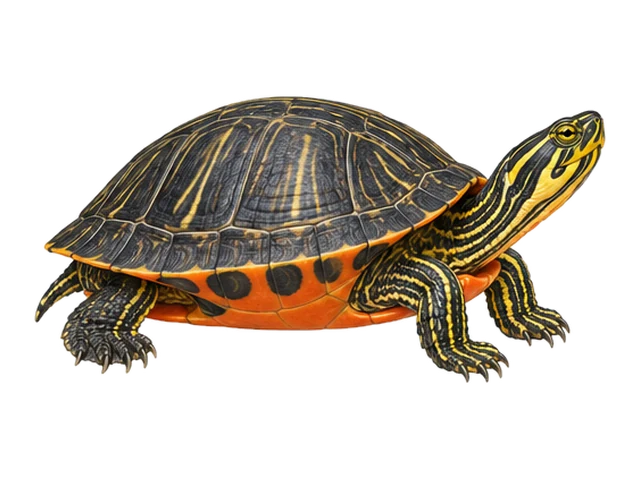
Florida red-bellied cooterPseudemys nelsoni
Moderate30 cm
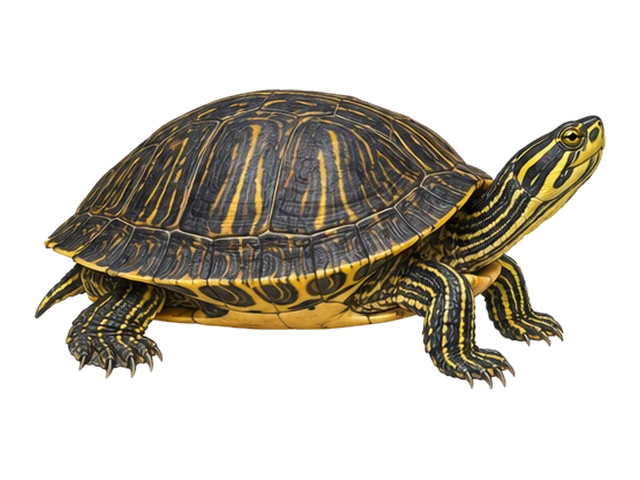
Yellow-bellied sliderTrachemys scripta scripta
Moderate28 cm
Picture coming
Cumberland sliderTrachemys scripta troostii
Moderate21 cm
Picture coming
Chicken turtleDeirochelys reticularia
Hard25 cm
Picture coming
African helmeted turtlePelomedusa subrufa
Moderate20 cm
Picture coming
West African mud turtlePelusios castaneus
Moderate20 cm
Picture coming
Red-bellied short-necked turtleEmydura subglobosa
Moderate25 cm
Picture coming
Eastern snake-necked turtleChelodina longicollis
Hard27 cm
Picture coming
Spiny softshell turtleApalone spinifera
Hard45 cm
Picture coming
Florida softshell turtleApalone ferox
Hard45 cm
Picture coming
Pig-nosed turtleCarettochelys insculpta
Hard55 cm28–33 °C
Picture coming
Chinese stripe-necked turtleMauremys sinensis
Moderate23 cm
Picture coming
Asian yellow pond turtleMauremys mutica
Moderate20 cm
Picture coming
Southeast Asian box turtleCuora couro
Moderate25 cm
Picture coming
Asian leaf turtleCyclemys dentata
Moderate21 cm
Picture coming
Black marsh turtleSiebenrockiella crassicollis
Moderate20 cm
Picture coming
Big-headed turtlePlatysternon megacephalum
Hard20 cm
Picture coming
Common snapping turtleChelydra serpentina
Hard35 cm
Picture coming
Diamondback terrapinMalaclemys terrapin
Hard20 cm