

Also called respiratory tract infection, pneumonia (when it reaches the lungs), turtle pneumonia
Can spread to people. Human-health risk: turtles of any size can carry Salmonella in their droppings even when they look healthy and clean; the germs spread to their bodies, tank water and anything around them, and a vet cannot stop a turtle from shedding them. Wash hands with soap and water right after touching or feeding the turtle or cleaning its tank; don't kiss or snuggle it, don't eat or drink around it, keep it and its equipment out of the kitchen. CDC does not recommend turtles for households with children under 5, adults 65 and older, or people with weakened immune systems. Sale of turtles with shells under 4 inches (about 10 cm) has been banned in the USA since 1975.
Mostly bacterial, often mixed infections (Aeromonas and Pseudomonas species are isolated most often; Mycoplasma causes upper respiratory disease in chelonians, mainly tortoises). Predisposing causes: environmental temperature too low, dirty water/poor filtration, poor ventilation, other illness, malnutrition and especially vitamin A deficiency.
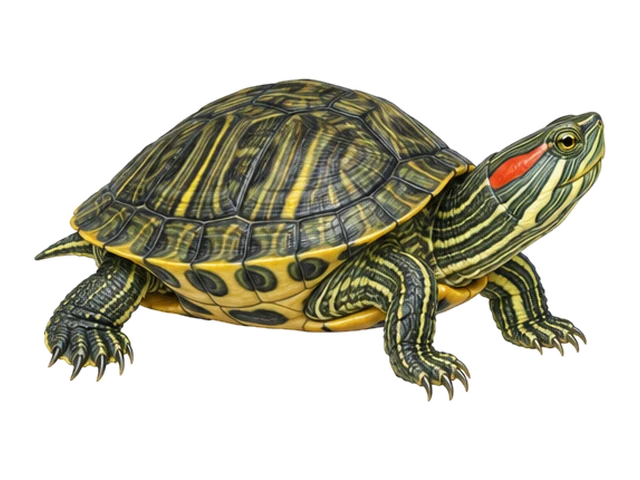
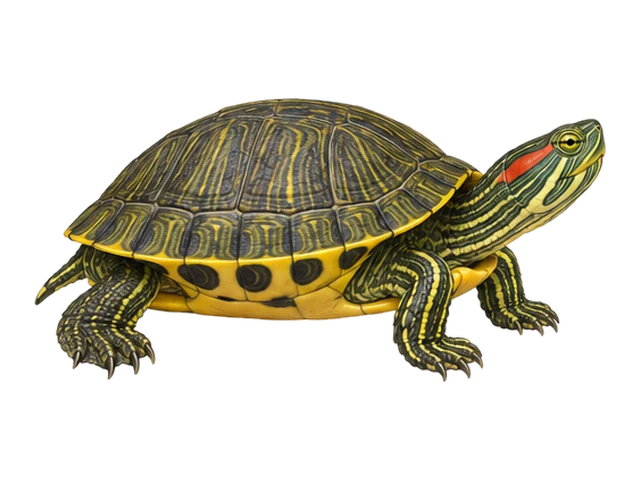
See a reptile vet: treatment is antibiotics (injectable usually works best; oral dosing of turtles is very hard), sometimes nebulisation, fluids and assisted feeding for very sick turtles, plus fixing husbandry. Keep the turtle at the middle-to-upper end of its preferred temperature range. Underlying vitamin A deficiency is common and must be corrected (by the vet) or the turtle may not fully recover. For red-eared sliders VCA gives water 24-29 °C and basking spot 24-31 °C.
If a fish is badly ill, talk to an aquatic vet.
Correct water and basking temperatures (avoid sustained cold and sudden temperature changes), clean water with good filtration and regular water changes, and a varied diet with enough vitamin A.
7 facts checked with sources
34 species
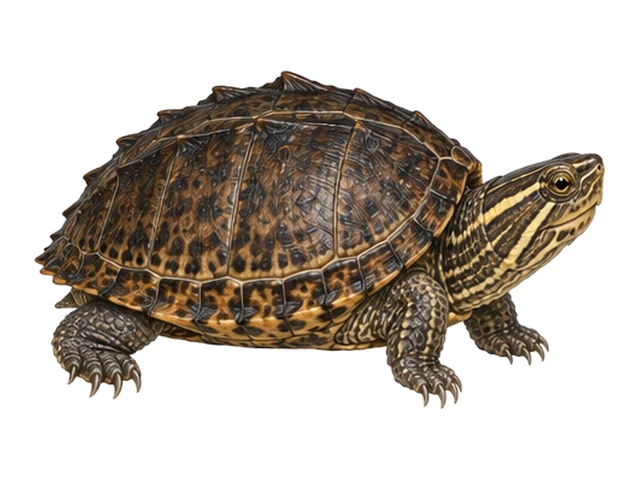
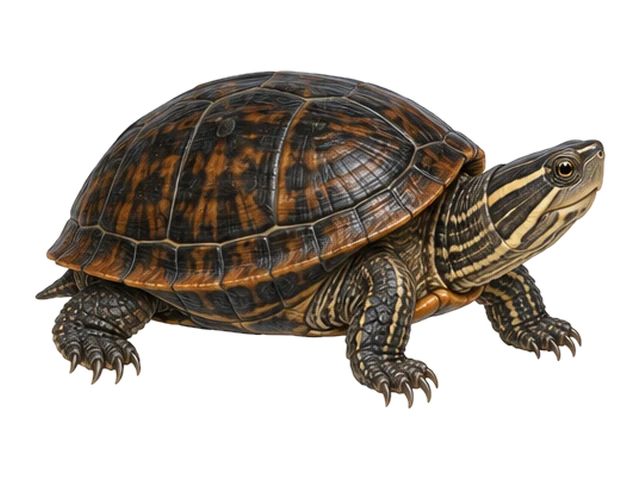
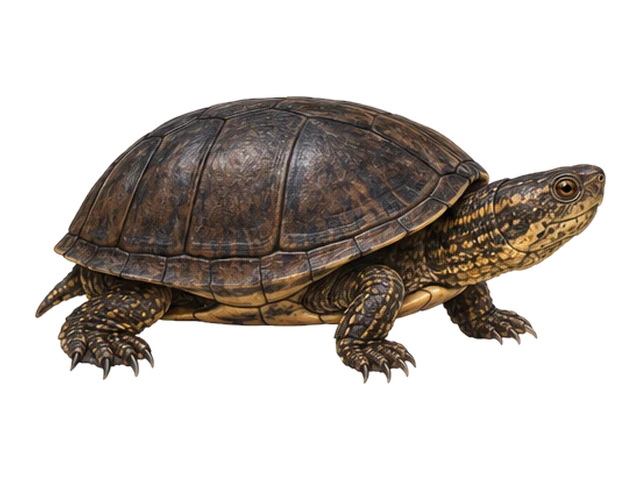
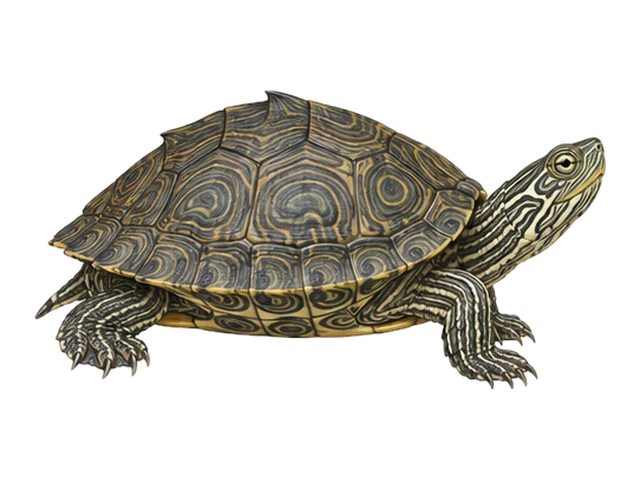
 Picture coming
 Picture comingPicture comingPicture comingPicture comingPicture comingPicture comingPicture comingPicture comingPicture comingPicture comingPicture comingPicture comingPicture comingPicture comingPicture comingPicture comingPicture coming