Also called Lernaea, anchorworm
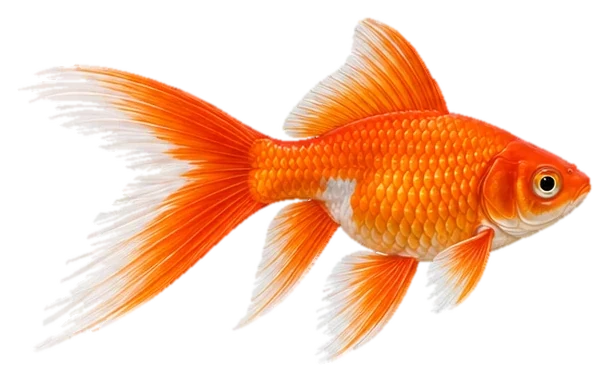
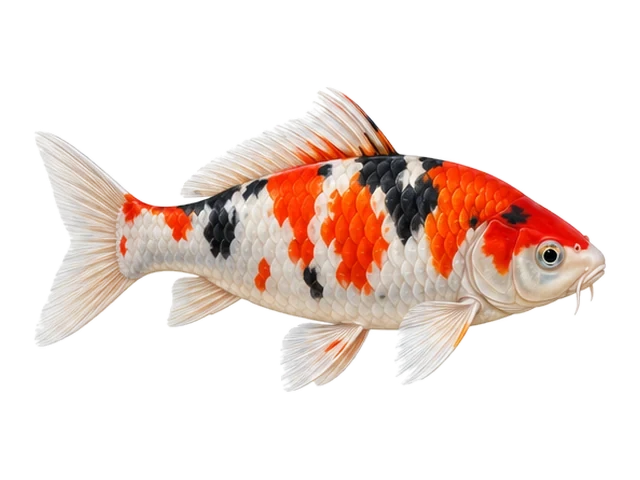
Lernaea spp. (commonly L. cyprinacea), a parasitic copepod crustacean, not a worm. Most common on cyprinids (koi, carp, goldfish) and pond or wild-caught fish; most prevalent in summer. Direct life cycle of about 18–25 days at 25–30°C; juveniles cannot complete development below 20°C.
Adults can be removed with forceps (the anchor may stay embedded). The whole system must be treated for several weeks, since adult females live about 30 days on the fish and larvae live off it. Sourced treatments: potassium permanganate or diflubenzuron (Merck); UF/IFAS adds trichlorfon (ornamental fish), potassium permanganate 25 mg/L 30-minute bath (kills larvae, not adults), diflubenzuron 0.066 mg/L, or salt 4.8 g/L for up to about 30 days if the species tolerates it. Removing all fish for 7 days breaks the cycle in the tank. Watch wounds and keep water quality high.
If a fish is badly ill, talk to an aquatic vet.
Strictly quarantine and inspect incoming fish, especially goldfish, koi and other carps.
5 facts checked with sources
20 species