TankMatesTankMates
  • Explore
  • Encyclopedia
  • Identifier
  • Tank Planner
  • Tank Mates
  • Games
  • World Map
Sign in
ExploreSpeciesIdentifierPlanner
TankMatesTankMatesFind fish that get along. Plan your tank. See real local prices.© 2026 TankMates · hello@tankmates.io
EncyclopediaFish identifierTank MatesCompareAsk FinnTank PlannerTank templatesPlantsCare libraryBreedingPond FishGamesWorld MapDesign StudioCommunityShops & servicesMy profileNotificationsPremiumPrivacyTermsPicture credits
Care library / Health
Health guide, not a diagnosis · Serious

Ammonia poisoning

Also called new tank syndrome, old tank syndrome (pH crash), ammonia toxicity

Facts checked against sources on 16 Oct 2026. See sources

Signs

  • Often no clear outward sign: ammonia is colourless and odourless, so only a water test shows it
  • Gill and tissue damage, stress, fish stop eating
  • Abnormal (neurological) behaviour
  • More bacterial infections and deaths, sometimes weeks later

Cause

Ammonia (the main waste product of fish, plus decaying uneaten food and organic matter) builds up faster than the biofilter can convert it: a new tank stocked before the filter is mature (new tank syndrome, usually 1-3 weeks after set-up), overfeeding, or a biofilter killed by a pH crash in a tank with no buffering left (old tank syndrome). Some tap or well water already contains ammonia.

What to do

Test ammonia (plus pH and temperature). Stop or reduce feeding for 1-3 days; do a 25-50% water change with ammonia-free water (Merck: at least 50% when total ammonia is 2 mg/L or more in a new tank); ammonia-binding products help short-term; keep oxygen up. EXCEPTION: in an old tank with a pH crash (often below 6), do not just do a big water change, because raising the pH makes the ammonia more toxic; move the fish and rebuild the system.

If a fish is badly ill, talk to an aquatic vet.

Prevention

Establish (cycle) the biofilter before stocking - a new biofilter needs about 6-8 weeks; don't overfeed; test ammonia about weekly and whenever fish behave oddly; do real water changes (remove old water) to keep alkalinity/pH stable.

Medicines used for it

Always read the label first

Water conditionerSalt & water care
Beneficial bacteriaSalt & water care
Seachem PrimeWater conditioners & stress
Seachem SafeWater conditioners & stress
Seachem StabilityWater conditioners & stress
Fritz Zyme 7Water conditioners & stress

Sources

6 facts checked with sources

  • CauseMerck Veterinary Manual (pet owner): Disorders and Diseases of Fish · UF/IFAS EDIS FA16/FA031: Ammonia in Aquatic Systems (Francis-Floyd et al.)
  • SignscorrectedUF/IFAS EDIS FA16/FA031: Ammonia in Aquatic Systems (Francis-Floyd et al.) · Merck Veterinary Manual (pet owner): Disorders and Diseases of Fish
  • What to docorrectedUF/IFAS EDIS FA16/FA031: Ammonia in Aquatic Systems (Francis-Floyd et al.) · Merck Veterinary Manual (pet owner): Disorders and Diseases of Fish
  • PreventionUF/IFAS EDIS FA16/FA031: Ammonia in Aquatic Systems (Francis-Floyd et al.) · Merck Veterinary Manual (pet owner): Disorders and Diseases of Fish
  • How seriousUF/IFAS EDIS FA16/FA031: Ammonia in Aquatic Systems (Francis-Floyd et al.)
  • Other namescorrectedMerck Veterinary Manual (pet owner): Disorders and Diseases of Fish · UF/IFAS EDIS FA16/FA031: Ammonia in Aquatic Systems (Francis-Floyd et al.)

Species often affected

106 species

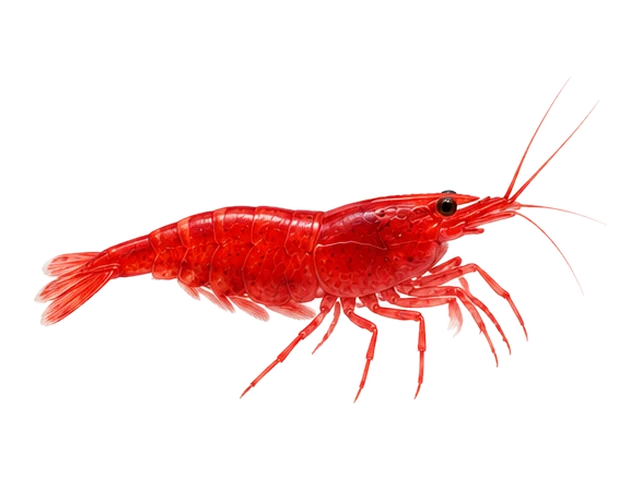
Cherry shrimpNeocaridina davidi
Easy3 cm18–28 °C
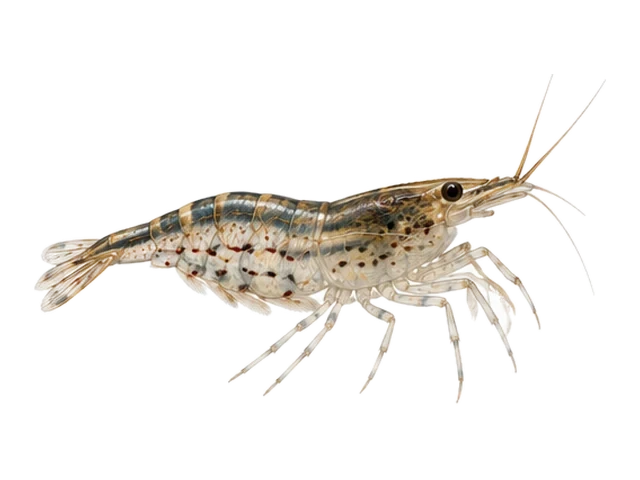
Amano shrimpCaridina multidentata
Easy3.5 cm20–28 °C
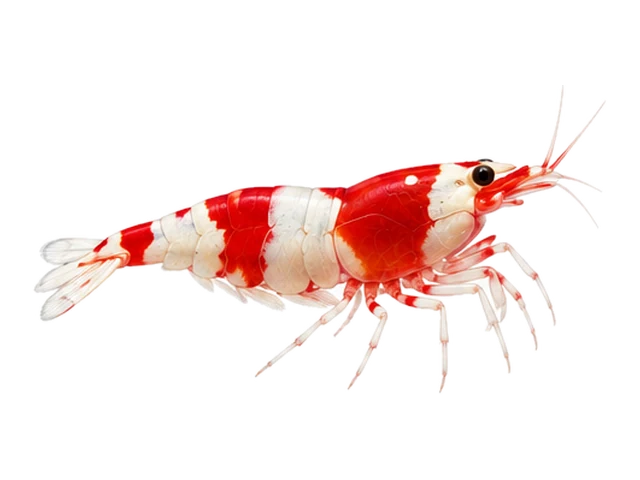
Crystal red shrimpCaridina cantonensis
Moderate3 cm20–24 °C
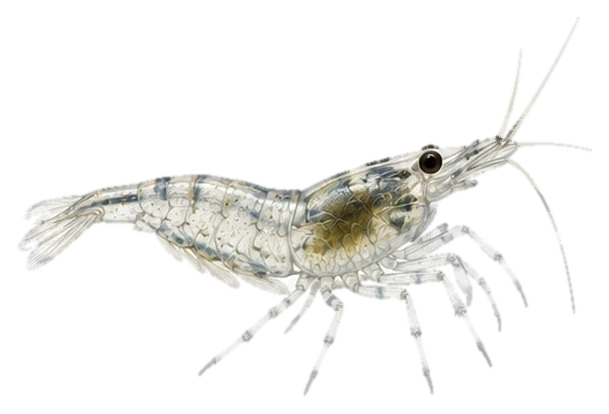
Ghost shrimpPalaemon paludosus
Easy4 cm20–27 °C
Bamboo shrimpAtyopsis moluccensis
Moderate7 cm23–28 °C
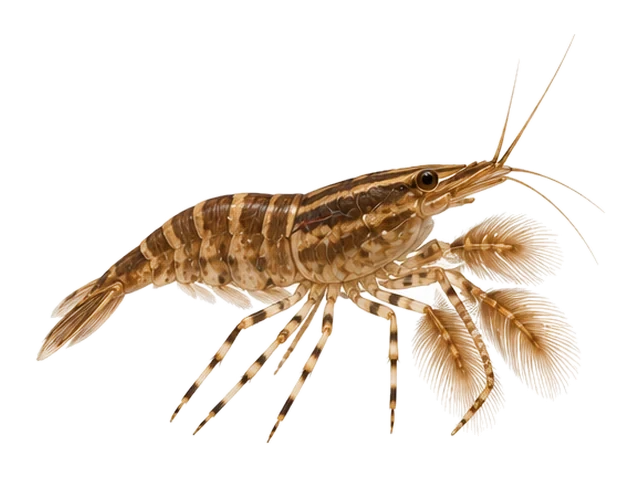
Vampire shrimpAtya gabonensis
Moderate15 cm24–29 °C
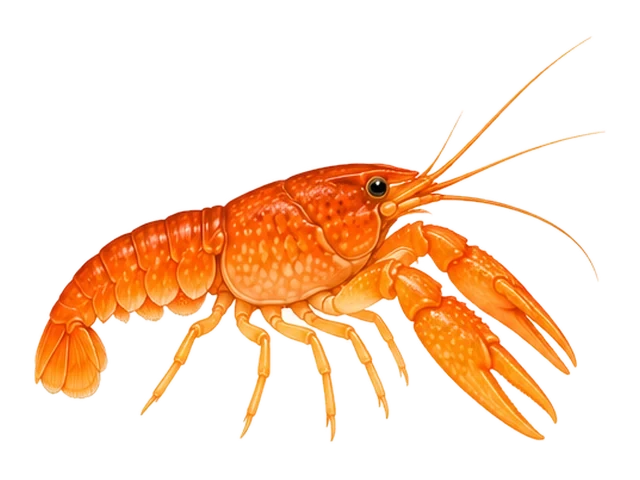
Dwarf orange crayfishCambarellus patzcuarensis
Easy4 cm18–26 °C
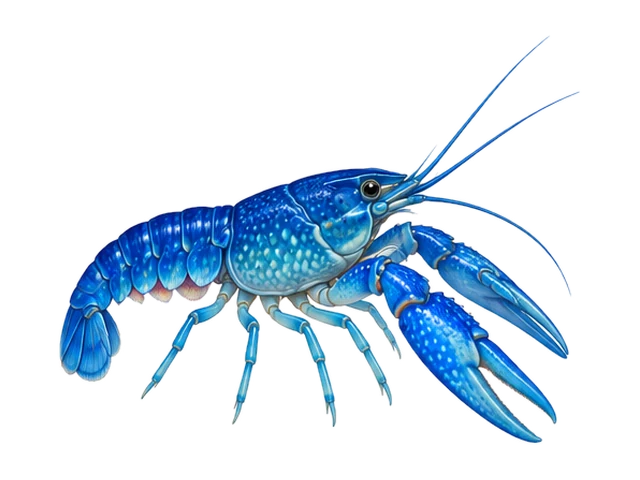
Electric blue crayfishProcambarus alleni
Moderate12 cm18–26 °C
Thai micro crabLimnopilos naiyanetri
Moderate1 cm23–28 °C
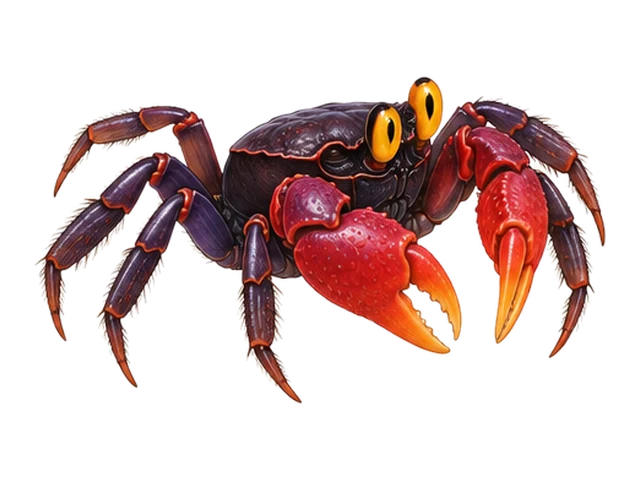
Vampire crabGeosesarma spp. (e.g. G. dennerle, G. hagen)
Moderate1 cm22–28 °C
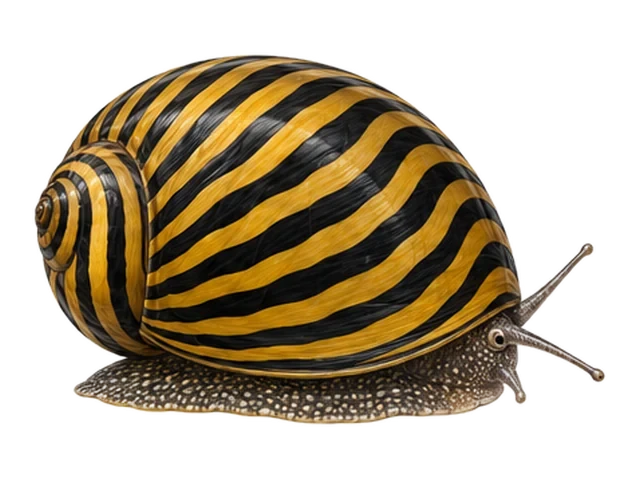
Zebra nerite snailVittina natalensis
Easy2.5 cm22–26 °C
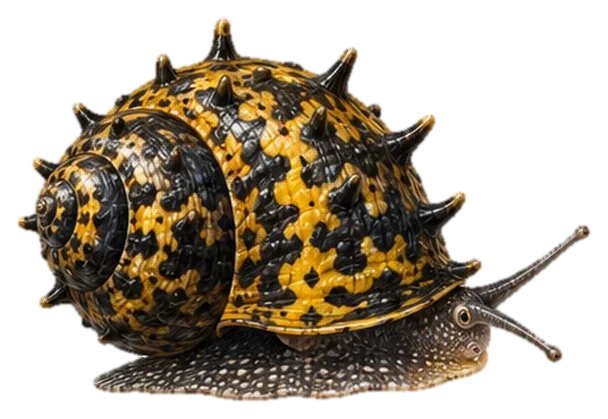
Horned nerite snailClithon corona
Easy2 cm22–26 °C
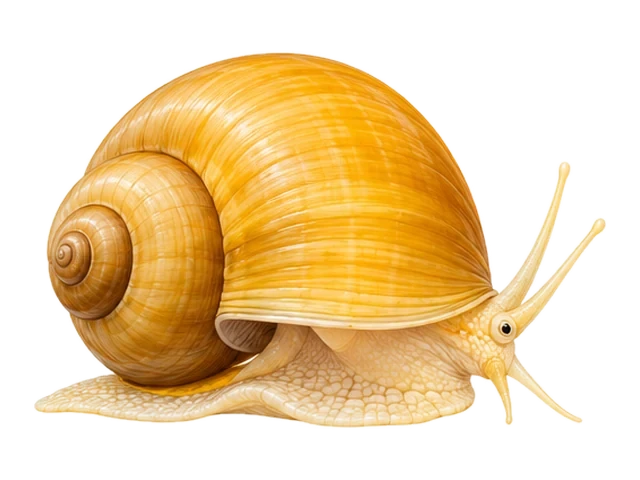
Mystery snailPomacea diffusa
Easy5 cm20–28 °C
Ramshorn snailPlanorbella duryi
Easy2.5 cm22–28 °C
Assassin snailAnentome helena
Easy2.5 cm24–27 °C
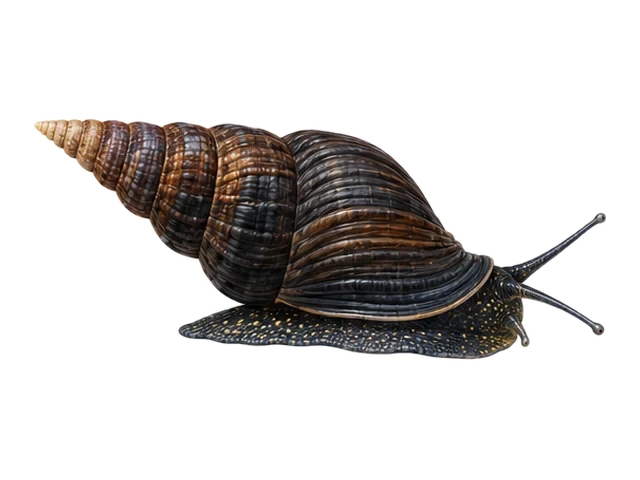
Malaysian trumpet snailMelanoides tuberculata
Easy2.5 cm18–30 °C
Bladder snailPhysella acuta
Easy1.6 cm
Rabbit snailTylomelania spp.
Moderate8 cm26–30 °C
Japanese trapdoor snailCipangopaludina japonica
Easy5 cm
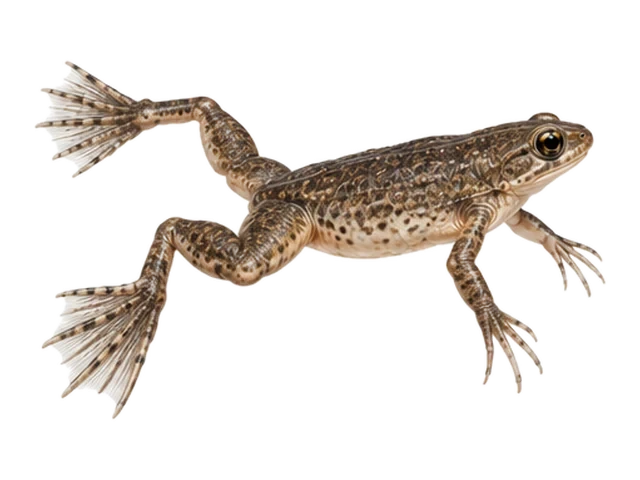
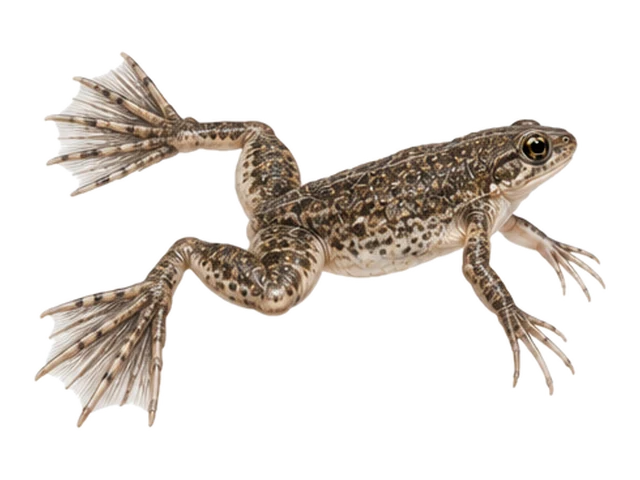
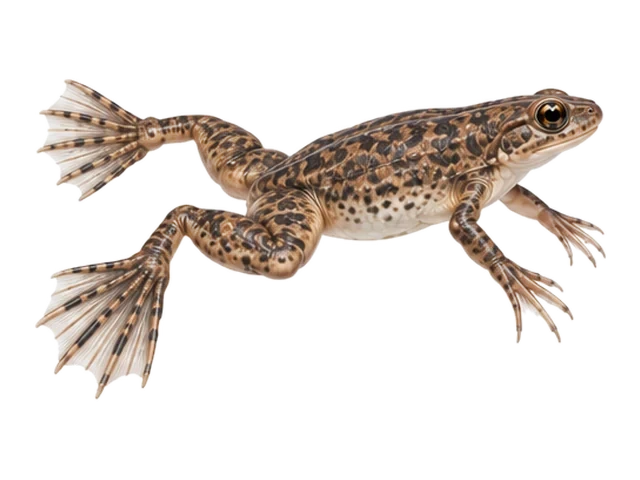
African dwarf frogHymenochirus boettgeri
Moderate3.5 cm20–25 °C
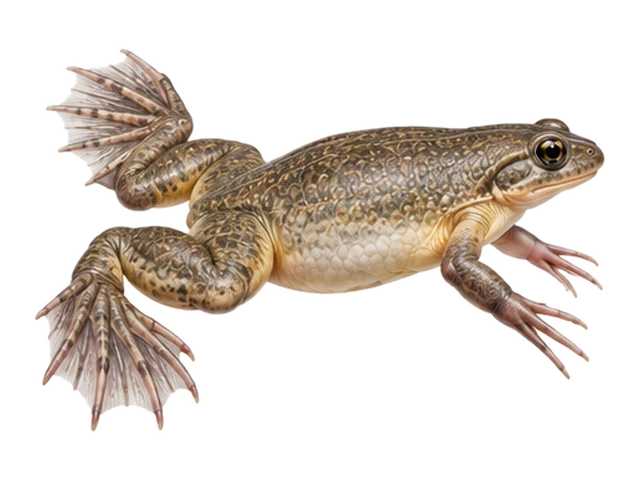
African clawed frogXenopus laevis
Easy12 cm18–24 °C
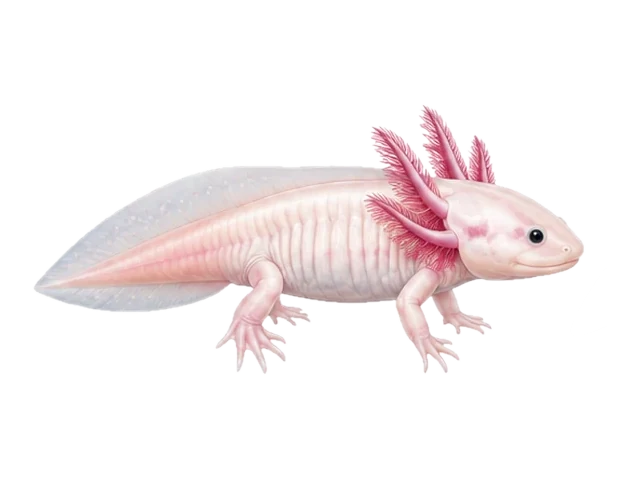
AxolotlAmbystoma mexicanum
Moderate30 cm15–18 °C
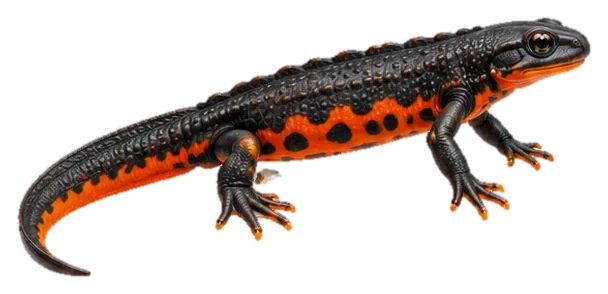
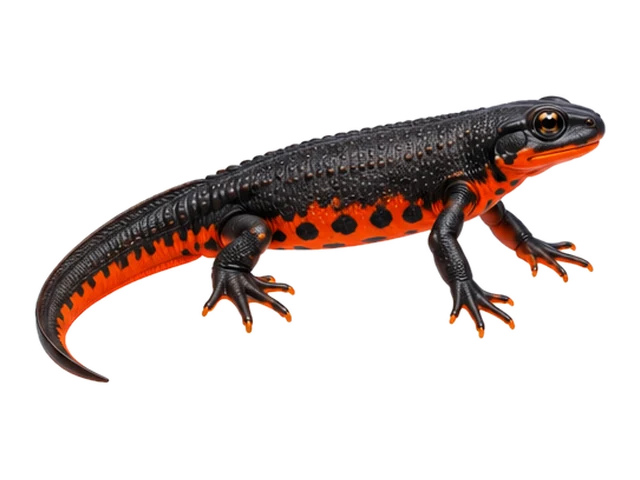
Chinese fire-bellied newtHypselotriton orientalis
Easy8 cm15–22 °C
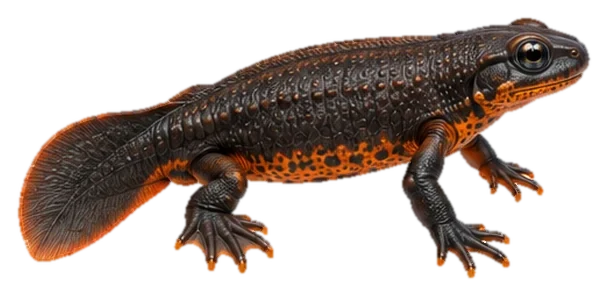
Paddle-tail newtPachytriton brevipes
Moderate17 cm
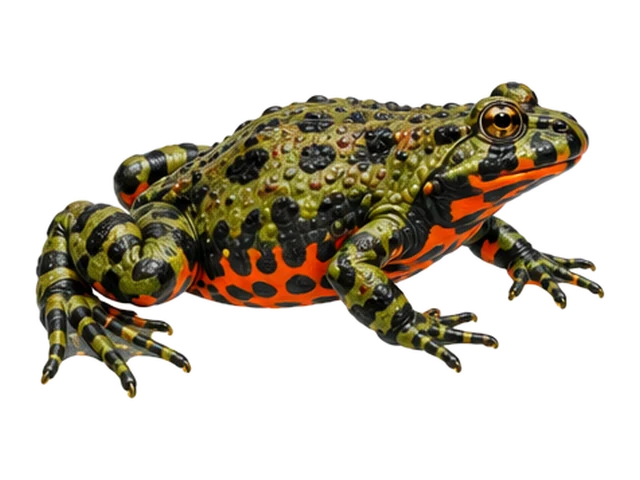
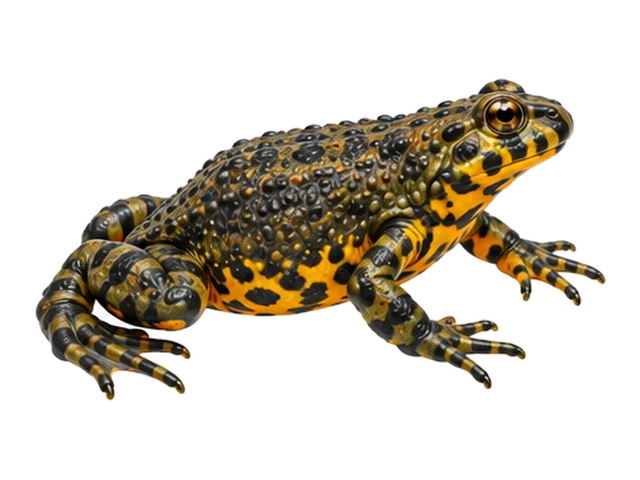
Oriental fire-bellied toadBombina orientalis
Easy5 cm
Zaire dwarf frogHymenochirus curtipes
Moderate3.3 cm
Picture coming
Merlin's dwarf clawed frogPseudhymenochirus merlini
Hard
Western clawed frogXenopus tropicalis
Moderate5 cm24–28 °C
Picture coming
Surinam toadPipa pipa
Hard15 cm
Picture coming
Dwarf Surinam toadPipa parva
Hard4.4 cm
Yellow-bellied toadBombina variegata
Moderate5 cm
Picture coming
European fire-bellied toadBombina bombina
Moderate5 cm10–24 °C
Picture coming
Yunnan fire-bellied toadBombina maxima
Easy6 cm
Picture coming
Budgett's frogLepidobatrachus laevis
Hard10 cm
Japanese fire-bellied newtCynops pyrrhogaster
Moderate12 cm10–24 °C
Picture coming
Sword-tailed newtCynops ensicauda
Hard15 cm12–24 °C
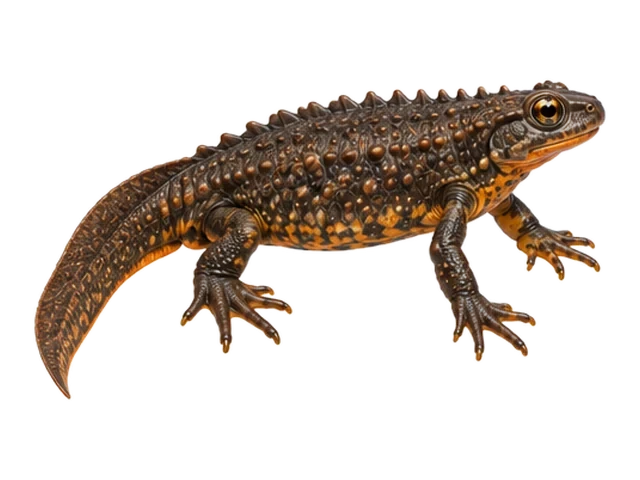
Hong Kong warty newtParamesotriton hongkongensis
Moderate14 cm
Picture coming
Vietnamese warty newtParamesotriton deloustali
Hard
Picture coming
Emperor newtTylototriton shanjing
Moderate20 cm16–26 °C
Picture coming
Red-tailed knobby newtTylototriton kweichowensis
Moderate21 cm10–26 °C
Picture coming
Himalayan crocodile newtTylototriton verrucosus
Moderate18 cm
Iberian ribbed newtPleurodeles waltl
Easy25 cm
Picture coming
Eastern newtNotophthalmus viridescens
Moderate10 cm
Picture coming
Alpine newtIchthyosaura alpestris
Moderate11 cm
Picture coming
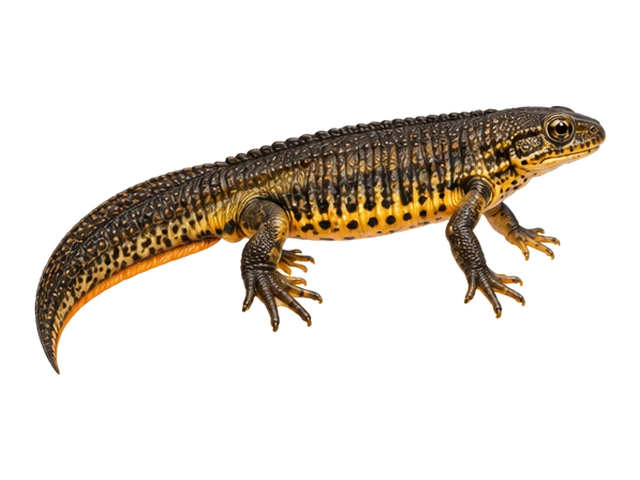
Smooth newtLissotriton vulgaris
Moderate10 cm
Picture coming
MudpuppyNecturus maculosus
Moderate30 cm
Lesser sirenSiren intermedia
Hard35 cm
Rubber eelTyphlonectes natans
Moderate60 cm24–28 °C
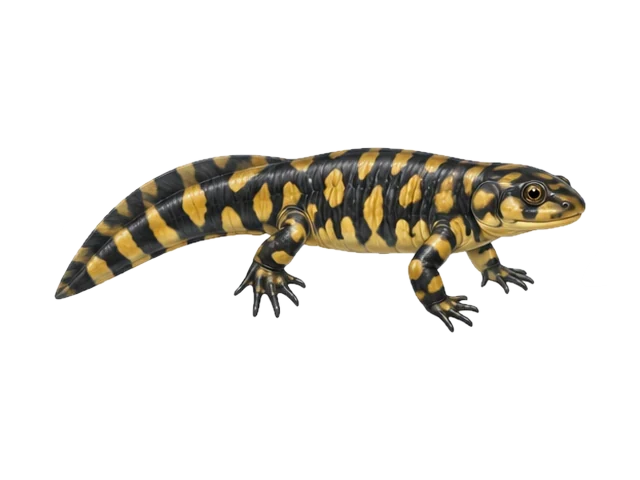
Tiger salamanderAmbystoma tigrinum
Moderate20 cm
Lake Patzcuaro salamanderAmbystoma dumerilii
Hard28 cm10–18 °C
Blue bolt shrimpCaridina cantonensis
Moderate3 cm21–25 °C
Taiwan bee shrimpCaridina cantonensis
Hard3 cm21–25 °C
Tiger shrimpCaridina mariae
Moderate3 cm20–25 °C
Cardinal shrimpCaridina dennerli
Hard2.5 cm28–30 °C
Sulawesi spinata shrimpCaridina spinata
Hard2.5 cm28–30 °C
Malawa shrimpCaridina parvidentata
Easy1.5 cm16–30 °C
Red-nose shrimpGracidina gracilirostris
Easy4 cm20–28 °C
Babaulti shrimpCaridina babaulti
Easy4 cm24–28 °C
Ninja shrimpMarosina serratirostris
Easy3 cm24–28 °C
Bumblebee shrimpCaridina sp. (bumblebee shrimp complex; often sold as Caridina cf. breviata)
Moderate3 cm17–24 °C